Health and Safety Policy for Carpetcleaning W1J
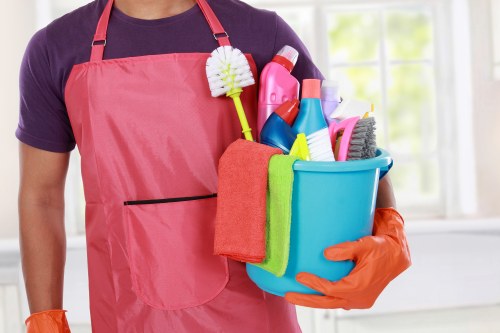 Health and safety is central to every carpet cleaning project carried out under the Carpetcleaning W1J name. This policy sets out the standards we follow to protect clients, operatives, visitors, and anyone who may be affected by our work. It applies to all carpet cleaning, stain treatment, deep extraction, and associated cleaning tasks. Our approach is based on practical risk control, careful planning, and a clear commitment to safe working practices.
We recognise that carpet cleaning can involve water, cleaning agents, electrical equipment, moving furniture, and working in occupied premises. Each of these introduces potential hazards that must be assessed before work begins. By identifying risks in advance, we reduce the chance of accidents and help ensure that every job is completed safely, efficiently, and with minimal disruption.
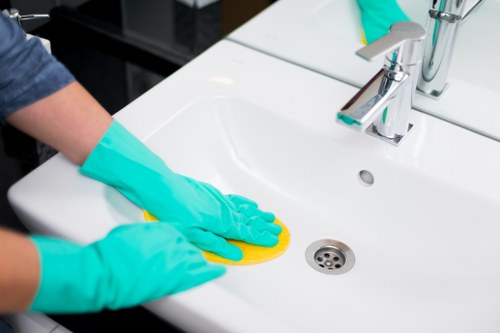 Carpet cleaning in any setting requires attention to both the condition of the premises and the type of flooring being treated. Our team is expected to work in a tidy, organised manner, keeping hoses, tools, and products under control at all times. Floors may become slippery during the cleaning process, so warning signs and sensible sequencing of tasks are essential parts of safe working.
Our Commitments
We are committed to complying with relevant health and safety duties and to maintaining a workplace culture that values caution and responsibility. This includes using suitable equipment, choosing cleaning products carefully, and ensuring that all work is carried out by trained personnel. We also expect every operative to take personal responsibility for safe conduct and to report concerns without delay.
Risk assessments are completed before work begins whenever the situation requires it. These assessments help us decide whether additional controls are needed, such as isolating a workspace, removing trip hazards, or adjusting cleaning methods for delicate materials. In a professional carpetcleaning environment, prevention is always better than correction, and safe planning supports better outcomes.
 The middle of any job is often when concentration matters most. Equipment should be monitored, work areas kept ventilated where appropriate, and access managed to prevent unnecessary entry. If furniture must be moved, it is handled carefully to avoid strain injuries and damage to the property. Where lifting is required, good technique and teamwork are expected.
Safe Working Practices
All cleaning chemicals used in carpet cleaning operations must be stored, handled, and diluted according to manufacturer instructions. Operatives should be aware of the possible effects of detergents, stain removers, and disinfectants, especially where people have allergies, sensitivities, or respiratory issues. Suitable personal protective equipment may be required depending on the task, including gloves and other protective items.
Electrical safety is another priority. Machines are checked before use, cables are inspected for wear, and equipment is only used in a manner consistent with safe operation. Water and electricity can be a dangerous combination, so care is taken to keep plugs, sockets, and leads away from wet areas wherever possible. Faulty equipment must be removed from use immediately.
Slip and trip prevention is essential during carpet cleaning services. Wet floors, trailing hoses, and moved items can create avoidable hazards if not controlled properly. We therefore use clear working zones, controlled movement through the property, and visible warnings where needed. This helps protect both staff and occupants during active cleaning work.
Training and Responsibility
Everyone involved in the work must understand the safe systems of work relevant to their role. Training covers the correct use of machinery, safe handling of chemicals, manual handling principles, and the importance of hygiene. Refresher learning is encouraged whenever procedures change or new equipment is introduced, ensuring that standards remain consistent across all carpet and upholstery cleaning tasks.
Supervisors and team leaders are responsible for ensuring that work is properly planned and that issues are addressed quickly. They must encourage open communication and support a culture where safety takes precedence over speed. Workers are expected to stop and seek guidance if a task feels unsafe or if site conditions change unexpectedly.
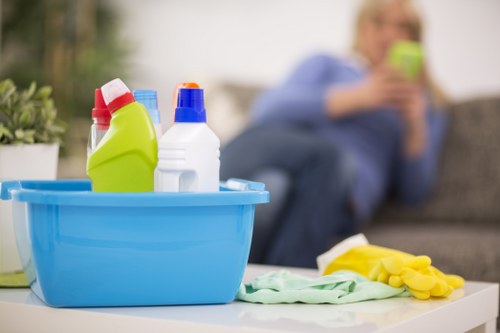 Before one of the last stages of a job, the workspace should be reviewed carefully for residual risks. This includes checking that surfaces are not left overly wet, equipment is switched off safely, and the area is suitable for normal use. A calm and methodical close-out process supports both safety and quality in carpetcleaning W1J operations.
Incident Reporting and Review
If an accident, near miss, spill, or equipment fault occurs, it must be reported promptly so that appropriate action can be taken. Reporting is important not only for immediate response but also for learning and prevention. We review incidents to understand what happened, whether controls were adequate, and what improvements may be needed for future work.
Where necessary, work is paused until the issue has been made safe. This may involve drying a floor, replacing damaged equipment, isolating a faulty machine, or revising the task sequence. Our aim is to create a dependable system in which hazards are addressed early rather than left to escalate.
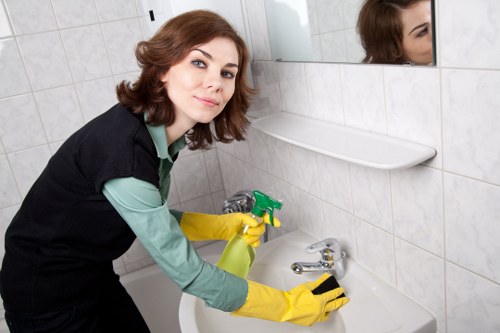 Carpetcleaning W1J is carried out with a strong emphasis on responsibility, care, and prevention. By maintaining high standards in planning, training, equipment use, and housekeeping, we protect people and property while delivering reliable cleaning results. This policy is reviewed periodically to keep it current, practical, and effective for everyday operations.