Recycling and Sustainability at Carpetcleaning W1J
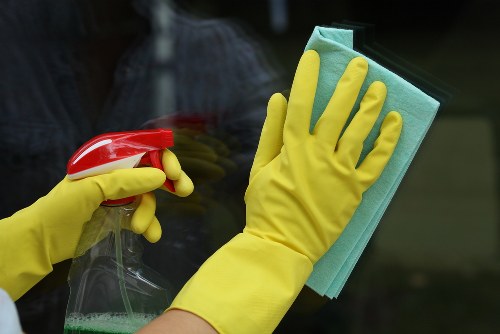 At Carpetcleaning W1J, sustainability is built into the way we plan, work, and recover materials after every clean. Our aim is to reduce waste wherever possible, support local recycling systems, and keep our service aligned with the environmental priorities of central London. For a carpet cleaning company in W1J, that means more than simply choosing efficient equipment; it means reviewing packaging, water use, disposal routes, transport, and the aftercare of soiled materials. We believe that a responsible carpet cleaning W1J service should contribute to a cleaner neighbourhood in every sense, from the condition of the carpets we restore to the footprint we leave behind.
Our current recycling percentage target is to divert 85% of recoverable waste from general disposal, with a longer-term ambition to reach 90% as sorting systems improve. This includes separating recyclable plastics, cardboard, paper-based packaging, reusable containers, and selected textile offcuts where suitable facilities exist. In practice, the target helps us measure the performance of our recycling and sustainability programme month by month. The result is a more accountable approach to Carpetcleaning W1J, one that supports lower landfill reliance and encourages smarter material recovery across all parts of the operation.
 We also work in step with the boroughs’ approach to waste separation across Westminster and neighbouring central London districts, where residents and businesses are encouraged to sort dry mixed recycling, food waste, and residual waste carefully. That local emphasis on separation matters to us because it influences how we handle packaging, absorbent materials, and containers used during a clean. When relevant, we keep recyclable streams clean and uncontaminated so they can enter the right transfer route. This makes our Carpetcleaning W1J practice more compatible with local recycling expectations and helps reinforce better resource use in an area where waste is managed closely and efficiently.
Local Transfer Stations and Responsible Waste Routing
Central London depends on efficient waste movement, and we use local transfer stations to reduce unnecessary travel and keep recycling routes practical. When waste from our work needs to leave the site, it is taken to approved facilities that can sort, compact, and redirect materials for recovery. Using local transfer stations is an important part of our carpet cleaning W1J sustainability plan because it shortens journeys and supports better load planning. It also helps us avoid mixing recoverable items with general waste, which would reduce the chance of recycling later on.
Our team favours facilities that can handle a range of recyclable materials, including clean cardboard from product packaging, bottle plastics, and selected metal components from worn equipment parts. Where permitted, we also direct textile-related waste toward specialist routes rather than standard disposal. This is especially relevant in a mixed-use district like W1J, where homes, offices, and hospitality spaces generate different waste profiles. By selecting the most appropriate transfer station, Carpetcleaning W1J can support local waste separation practices and keep our environmental performance consistent across varied job types.
In addition, we try to keep the volume of waste as low as possible in the first place. We purchase in bulk only when it reduces packaging per job, and we choose containers that can be rinsed and reused. Materials such as protective wrapping, paper inserts, and outer cartons are sorted so they can enter the proper recycling stream. This careful handling is one reason our Carpetcleaning W1J operations remain aligned with wider sustainability goals. It is a practical way to move from simple disposal toward a more circular method of working, even in a busy urban area with limited storage space.
Partnerships with Charities and Community Reuse
 Sustainability is also about extending the life of useful items, which is why we support partnerships with charities and community organisations where appropriate. If we identify items that are clean, safe, and suitable for reuse, we explore donation routes instead of treating them as waste. These may include surplus cleaning accessories, unopened consumables, protective textiles, or office-related items that can be passed to local causes. Such partnerships allow Carpetcleaning W1J to support both environmental and social value at the same time.
We recognise that not every item can be recycled in the usual sense, but many items can still avoid disposal if they are redirected to organisations that repair, redistribute, or repurpose them. In a borough environment where reuse is increasingly valued, this can make a meaningful difference. Our Carpetcleaning W1J sustainability approach therefore includes a simple review step after each relevant project: can the item be reused, donated, or recycled before it becomes residual waste? This question helps us make better decisions and reduces the pressure on local disposal systems.
We also support community initiatives that promote awareness of waste reduction. While our role is operational rather than educational, we try to show how a professional service can contribute to a broader culture of reuse. For example, cardboard packaging from equipment deliveries can be flattened and sent to recycling, while suitable bottles and tubs are separated for collection. These small actions add up across the year. For customers seeking a carpet cleaning W1J provider that values responsible resource management, charity-linked reuse forms an important part of the picture.
Low-Carbon Vans and Smarter Travel
 Transport is one of the biggest areas where we can reduce emissions, so we are steadily increasing the use of low-carbon vans within our fleet. These vehicles are chosen for improved fuel efficiency, lower emissions, and reliable performance in central London traffic. Some are hybrid or ultra-low-emission models, selected to help us cut the carbon intensity of each job. For Carpetcleaning W1J, this matters because the area’s dense streets and stop-start driving patterns can otherwise create a disproportionate amount of travel-related emissions.
We also optimise routing so that vehicles cover shorter distances and combine nearby appointments where possible. Better scheduling means fewer unnecessary miles, less idling, and more efficient use of time and fuel. This is especially useful when working across W1J and adjacent central boroughs, where careful route planning can have a real environmental benefit. Our carpetcleaning W1J service therefore treats travel reduction as part of the sustainability strategy, not just a logistical detail.
In addition to fleet improvements, we maintain our equipment to reduce waste and extend service life. Well-maintained machines use energy more effectively and are less likely to be replaced early. We also track usage so that tools and vans are repaired when practical rather than discarded. Combined with smarter transport choices, this helps create a more resilient operational model. For a modern Carpetcleaning W1J provider, sustainability is not achieved by one single action but by multiple improvements working together throughout the year.
A Practical Sustainability Commitment
Carpetcleaning W1J sees recycling and sustainability as ongoing responsibilities rather than fixed promises. That is why we continue to refine our waste separation, check our recovery percentages, and improve the way materials leave each site. The same applies to our use of local transfer stations, our partnerships with charities, and our investment in low-carbon vans. Each part of the process supports a cleaner, more efficient service that fits the character of central London.
 Looking ahead, we will keep monitoring the results of our recycling percentage target and aim to raise recovery rates whenever practical opportunities arise. Whether the task involves separating packaging according to borough recycling expectations, finding reuse routes for suitable items, or reducing emissions through better transport, our objective remains the same: to make Carpetcleaning W1J a service that cleans well and acts responsibly. In a busy urban district, those choices matter, and we are committed to making them count.